BUDVAR
BUDVAR
Window tipsPartner zoneContact
Free quote
BUDVAR aluminium windows — modern glazing with an aluminium profile

Aluminium windows

Aluminium joinery combines minimalist styling with strength and technology, delivering a unique visual effect and adapting to individual needs.

Aluminium joinery

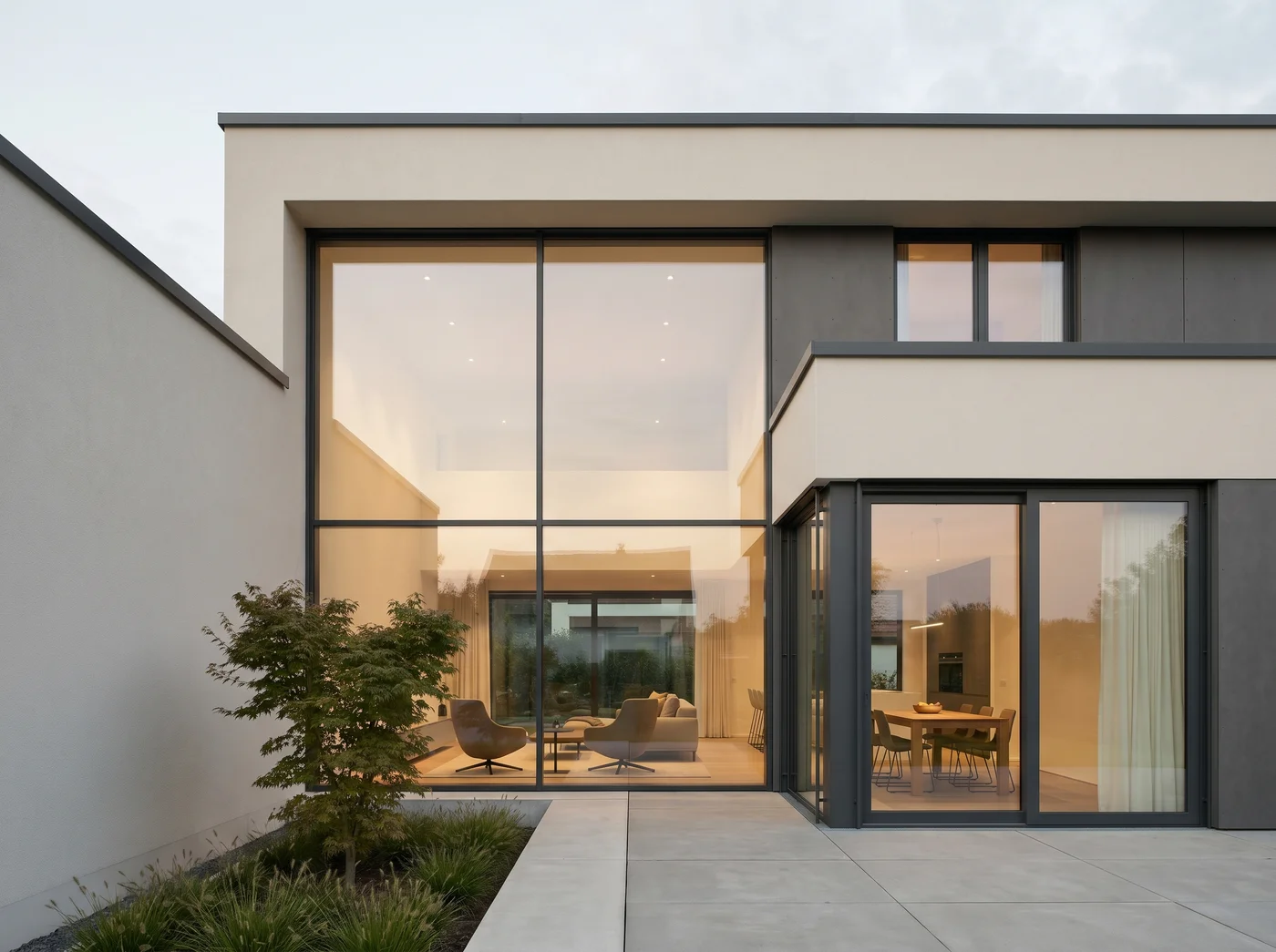
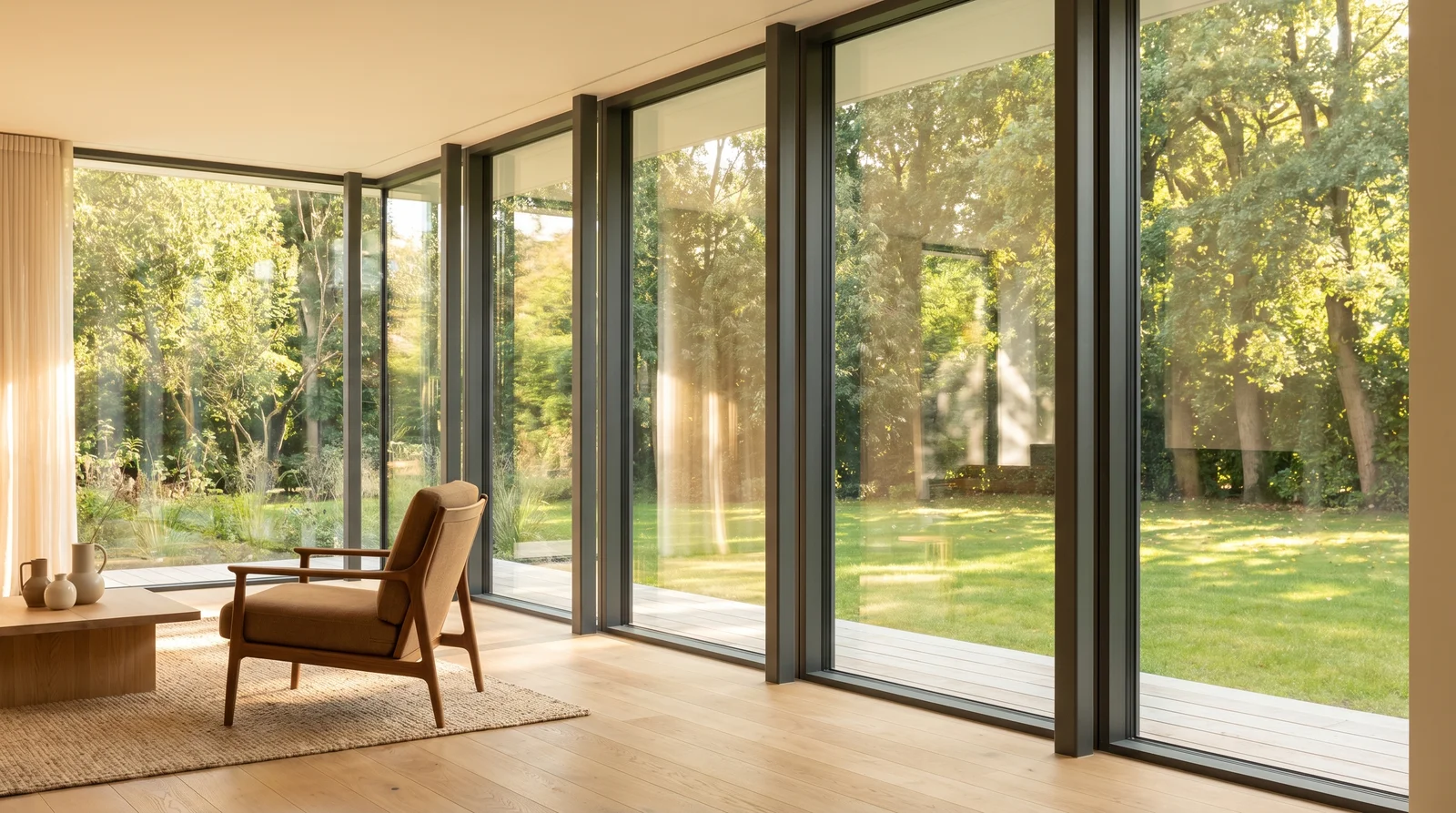
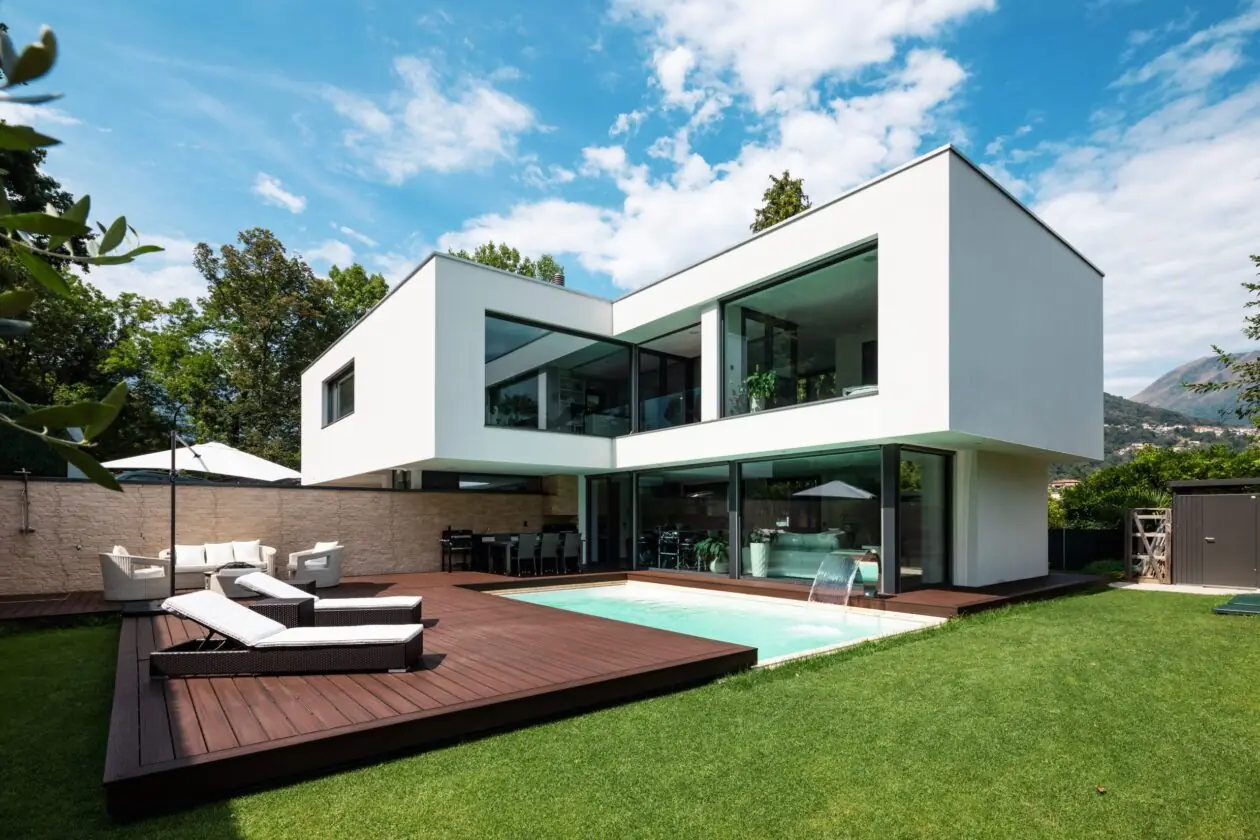
Aluminium windows are an excellent solution for modern living spaces. The aluminium profile is durable and rigid, which makes it possible to create large glazed areas. They visually enlarge the living space and almost eliminate the boundary between the interior and the surroundings.

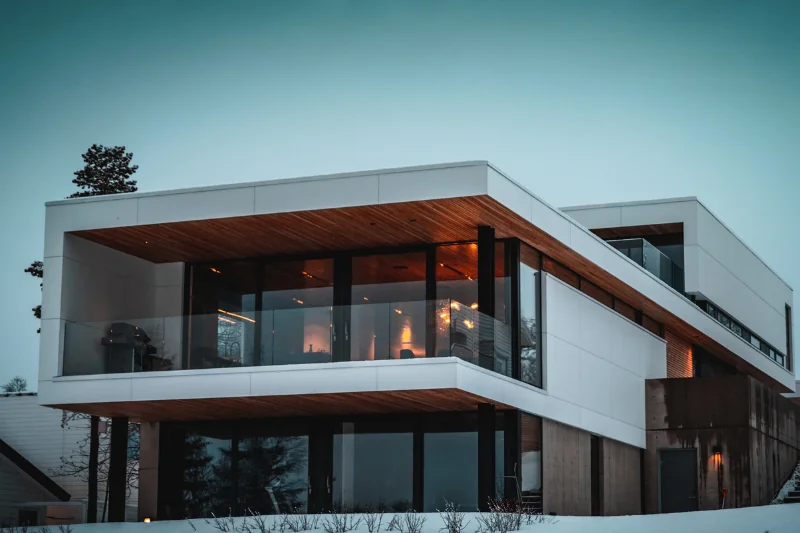
Large aluminium glazing blurring the boundary between interior and terrace
Advantages of aluminium joinery

Advantages of aluminium joinery

Minimalism, large glazing and durability — aluminium meets all three expectations of contemporary architecture. Slim, filigree profiles make it possible to create large-format windows that visually open the interior to the surroundings. Despite the higher price, aluminium joinery is becoming ever more popular.

The aluminium profile stands out for its rigidity and exceptional resistance to the passage of time — it does not deform and loses neither its appearance nor its properties. Modern aluminium systems now match PVC windows thermally.

Who is it for

I am building a house or carrying out energy renovation

Aluminium window systems for new builds and deep energy renovations — top-tier thermal insulation and noticeable savings on heating costs.

01 — New build

New homes

Aluminium windows for buildings constructed from scratch. Slim profiles, large-format glazing and performance that meets the most demanding requirements.

02 — Renovation

Energy renovation

Window replacement for significantly better thermal insulation and noticeably lower heating costs. Our aluminium systems boost the energy efficiency of your home.

The choice of aluminium joinery for a new build or a deep energy renovation is subject to the same high requirements as PVC windows. The key parameter remains the Uw value. For energy-efficient construction the following value is typically recommended today:

Energy efficiency

Uw ≤ 0,9 W/(m²K)

For modern buildings that need to combine the slim aluminium aesthetic with thermal comfort, we offer two variants — the standard version and a variant with a concealed sash for a clean, minimalist façade:

Energy-efficient standard

MB-79N and MB-79N US: energy-efficient aluminium windows

If you care about the highest thermal insulation standard — with passive houses and near-zero energy buildings in mind — choose a system based on profiles with thermal foam inserts.

Passive standard

MB-86N SI: passive aluminium windows

Aluminium windows

MB-86N SI

The MB-86N SI variant uses profiles enriched with thermal foam inserts in the internal chambers of the profiles. As a result it achieves excellent insulation performance — a Uw value down to 0.7 W/(m²K) — and the possibility of passive house certification.

Uw 0,742 dB
Aluminium or PVC window?
Comparison

Aluminium or PVC window?

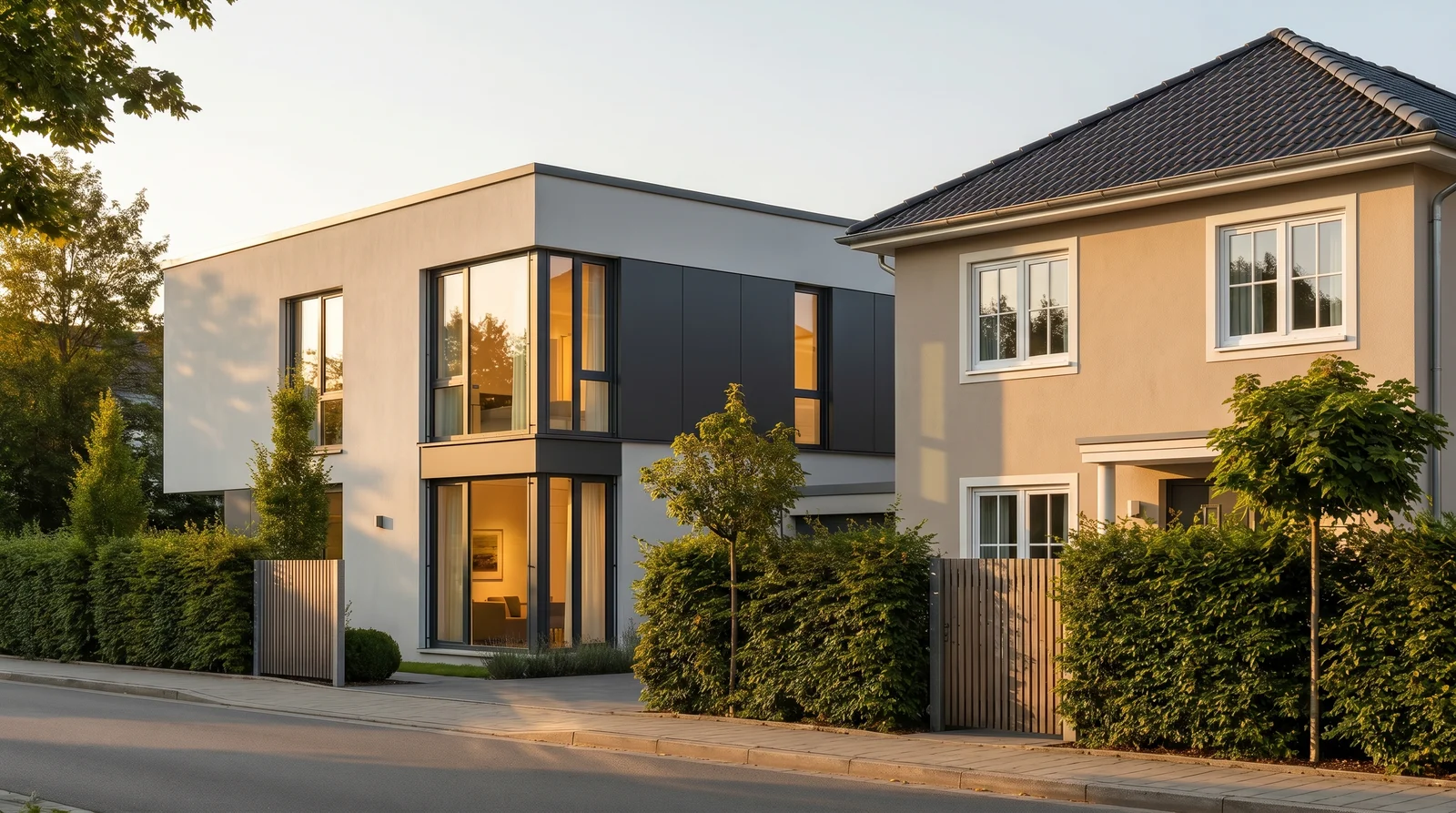
Thanks to their rigidity and lightness, aluminium windows are perfect for buildings with large, modern glazing. Spacious aluminium windows let in plenty of daylight and open the living space to the surroundings. PVC windows, on the other hand, are a good choice for traditional architecture, where joinery plays a less prominent role in the overall construction of the building.

Aluminium window colours
Colours

Aluminium window colours

Aluminium allows the use of the full RAL colour palette. Smooth, uniform surfaces, metallic tones, wood-effect foils, brushed metal, velvet-touch anodising — all of this gives you complete freedom when designing aluminium joinery for your home.

Aluminium windows for the home
Design

Aluminium windows for the home

Modern aluminium windows mean durability, warmth and a beautiful, minimalist design. Aluminium windows are gaining popularity and are an increasingly common choice in both private and investment construction. A solution that combines elegance with the very best performance characteristics.

Who are our aluminium windows for?

01

Investors building a home

Large glazing, minimalist frames and virtually unlimited colour options for your dream home.

02

Homeowners and flat owners

An immediate difference in appearance, thermal and acoustic comfort after replacing your windows.

03

For the environmentally conscious

Products free of harmful additives, excellent insulation that reduces energy consumption. Profiles that are 100% recyclable.

04

Architects

Slim profiles and large-format glazing for lovers of minimalism and clean form.

How to order windows directly from the manufacturer?

1

Contact and consultation

Get in touch by phone, e-mail or visit our showroom. Our advisors will help you choose the right solution.

2

Quote and offer

A detailed offer covering all costs, with no hidden fees.

3

Free measurement

A specialist will take precise measurements for a perfect window fit.

4

Production

Individually designed windows manufactured on the most modern production lines.

5

Professional installation

Experienced fitters will install your windows to the highest standards.

6

After-sales service

Comprehensive warranty and post-warranty service for many years.

Aluminium window accessories

Have you decided to install aluminium windows? Explore our range of accessories that will help tailor your aluminium windows even more closely to your needs.

FAQ

Frequently asked questions about aluminium windows

BUDVAR aluminium windows reach a Uw value from 0.70 W/(m²K) in the passive MB-86N SI system with triple glazing and additional foam thermal inserts in the profile chambers. All systems — MB-79N (Uw 0.80), MB-79N US (0.81) and MB-86N SI (0.70) — meet high thermal insulation requirements and suit energy-efficient houses and passive construction.
A thermal break is an insulating element made of glass-fibre-reinforced polyamide placed between the outer and inner part of the aluminium profile. It interrupts the thermal bridge, allowing modern aluminium windows to achieve insulation comparable to PVC (Uw from 0.70 W/m²K). All BUDVAR aluminium windows have a built-in thermal break.
BUDVAR offers 3 aluminium window systems: MB-79N for residential and commercial buildings, MB-79N US with a raised threshold for large glazed areas, and MB-86N SI — a premium passive system with foam thermal inserts (Uw down to 0.70 W/m²K, passive certification). All are based on Aluprof profiles — the Polish leader in aluminium profiles.
Aluminium windows cost 30–50 % more than PVC, but offer slimmer frames (more glass, more light), higher rigidity (larger sash sizes), the full RAL colour range with anodising, and a longer lifespan (40+ years). PVC is cheaper, easier to maintain and has a better price-to-insulation ratio. We recommend aluminium for large glazed areas and modern architecture.
MB-79N is the standard aluminium system (Uw from 0.80 W/m²K) for residential and commercial buildings. MB-79N US (Up Stand) is the variant with a raised threshold for large patio doors and shop windows. MB-86N SI is the premium passive system with extra foam thermal inserts in the profile chambers — reaches Uw down to 0.70 W/m²K and qualifies for passive certification.
MB-86N SI is an Aluprof aluminium passive system — a variant of the MB-86N enriched with foam inserts in the inner profile chambers. It reaches a Uw value down to 0.70 W/(m²K) and can be certified for passive construction. Recommended for energy-efficient, passive and near-zero-energy buildings (NZEB).
The price of aluminium windows is set individually and depends on the system (MB-79N, MB-79N US, MB-86N SI), dimensions, glazing, RAL colour, anodising and fittings. Aluminium windows are usually 30–50 % more expensive than PVC of the same size. The MB-86N SI passive system is the most expensive. For a free quote, email <a href="mailto:windows@budvarcentrum.eu">windows@budvarcentrum.eu</a>.
Aluminium windows are more expensive than PVC for three main reasons: 1) higher material cost — aluminium is more expensive than PVC and requires a polyamide thermal break, 2) more complex production — profile cutting, anodising, powder coating, 3) higher structural requirements — used for large sashes and glazed areas. In return you get slimmer profiles, more glass and 40+ years of lifespan.
Aluminium windows have the longest lifespan of all window types — with proper installation and basic maintenance they last 40–50 years. Aluminium does not swell, does not deform under temperature and is corrosion-resistant. For comparison: PVC windows last 25–30 years, wooden ones 20–30 years. BUDVAR aluminium profiles come from the Polish leader Aluprof.
Yes. Aluminium windows can be made in the full RAL palette (over 200 shades) with matt, satin, gloss or structured finishes.
All BUDVAR aluminium systems — MB-79N (Uw 0.80), MB-79N US (0.81) and MB-86N SI (0.70) — with triple glazing and a thermal break reach Uw ≤ 0.95 W/(m²K) and suit energy-efficient houses, near-zero-energy buildings (NZEB) and passive construction. MB-86N SI can additionally be certified for passive construction.
Aluminium windows are recommended for: 1) modern single-family houses with large glazed areas (MB-79N), 2) large patio doors and shop windows (MB-79N US), 3) passive and near-zero-energy NZEB houses (MB-86N SI), 4) multi-family and commercial buildings. For typical single-family houses PVC is usually the more economical choice.
For an individual quote, technical advice or a survey appointment, email <a href="mailto:windows@budvarcentrum.eu">windows@budvarcentrum.eu</a>. We usually respond within one business day.

Need a quote?

Get in touch with our advisor — free quote, system selection and measurement in one place.