
Window Orientation – Optimal Window Placement in the Home
The need for sunlight varies among household members depending on the type of room. A living room often benefits from long hours of sun, while in bedrooms we may prefer shading...
IN BRIEF
The orientation of windows relative to orientation (north/south/east/west) affects thermal comfort and heating bills. South side: large glazing and sun protection (external roller shutters, external venetian blinds) for heat-gain control. North side: smaller windows with the best insulation. East side: ideal for bedrooms (morning sun). West side: be cautious with glazing size; use sun protection to limit afternoon overheating. Window area is often around 12–15% of the floor area, depending on design and regulations.
The need for sunlight varies among household members, depending on the type of rooms. A sunlit room, such as a living room, is a space we often want bright for as long as possible. In other rooms, like a bedroom, we may prefer shaded windows that promote rest and help the room stay pleasantly cool on a hot day.
As the sun moves east to west, the direction of sunlight changes, which is very significant in the context of the proper orientation of the house relative to orientation (north/south/east/west). So, how should windows be arranged in the house to ensure optimal exposure to natural light?
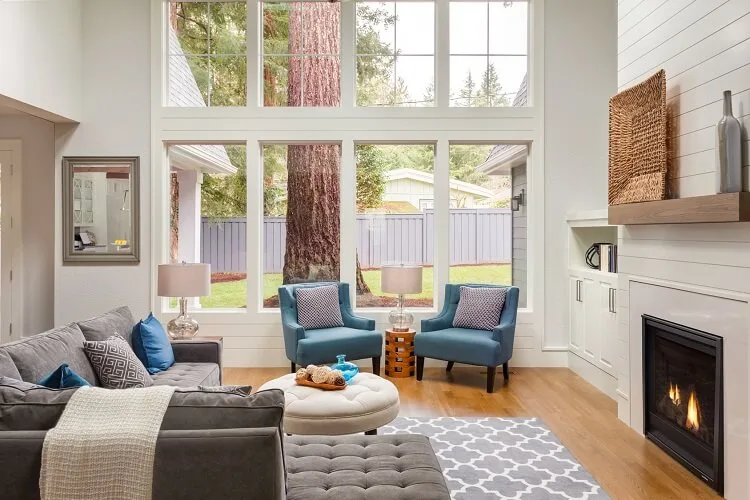
Sunlit living room thanks to south-facing windows
The living room is the most representative part of the house, where we entertain guests and relax. We spend a lot of time in this space, so daylight is highly desirable here. Sunlight is most consistent and prolonged from the south and, in the afternoon, from the west, so if we want our living room to be sunlit for most of the day, the windows should be oriented to the south or west, or southwest. This will be the best window exposure relative to orientation (north/south/east/west). If the location of the living room allows, we can ensure it is filled with natural light at many times of day and in various weather conditions. Simply ensure the window exposure allows light to enter the living room from different directions.
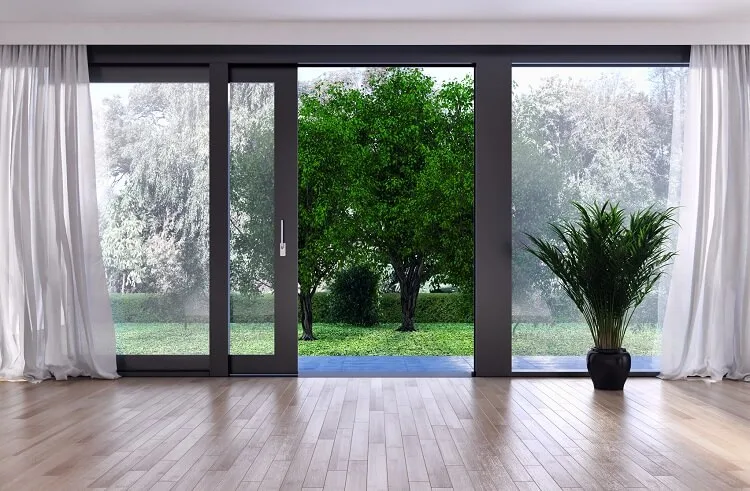
When choosing such an exposure for living room windows, we must consider that in summer, the sun may excessively heat this room, which most of us want to avoid. We can reduce overheating by using external venetian blinds or external roller shutters and using solar control glass (low g‑value) and low‑e glazing. PVC windows with a low heat transfer coefficient (Uw), such as the T-Energy or T-Perfekt window, will help reduce heat loss in winter. Planting deciduous trees near south or west-facing windows can provide shade in summer, while in winter, when the leaves fall, the sun will illuminate and warm the living room without obstruction.
In homes or apartments where the living area has limited access to light, for example, if the living room is on the north side, the T-Classic Slim window is an excellent choice, as its narrower profiles increase the glazing area and daylight. This window is available in a wide range of colours, including veneers that perfectly imitate wood structure, making it easy to match any interior design.
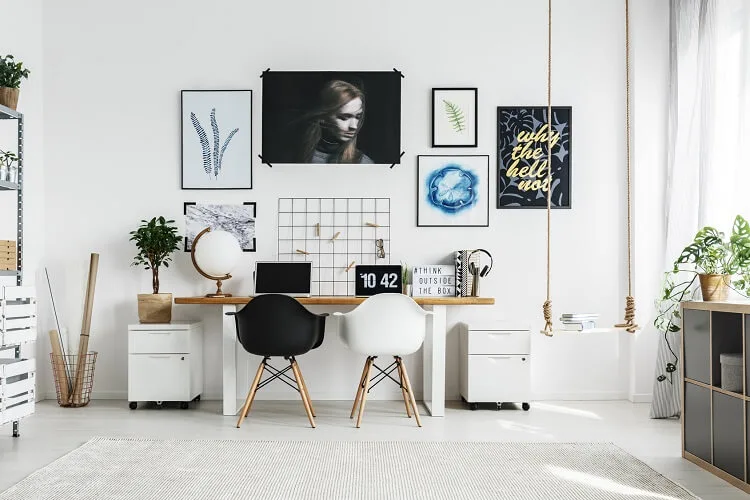
Appropriate light in the room where you work
A room intended for work, unlike the living room, is best located in the eastern or northern part of the house. Such a room does not need to be very sunlit, especially if we work for long hours staring at a computer screen. South or west-facing windows can cause glare and eye strain when working at a screen. Moreover, with eastern or northern window exposure, the room will maintain a lower temperature than rooms more exposed to sunlight, which promotes effective work.
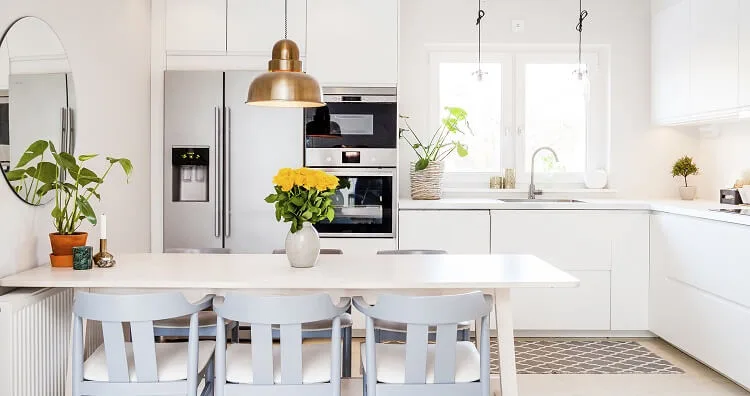
Kitchen windows and thermal comfort while cooking
The exposure of kitchen windows should limit excess sunlight, as a lot of heat accumulates here during the day from cooking. Ideally, kitchen windows should face east or north, helping the room stay pleasantly cool. Light should evenly illuminate the countertop used for preparing meals. To achieve this effect, simply install low panoramic windows in the kitchen, which help maintain thermal comfort.
Window exposure in the bedroom
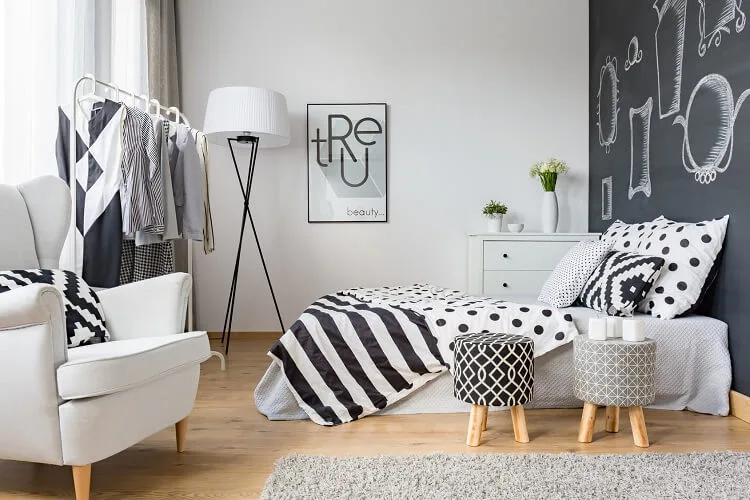
For bedrooms, an eastern window exposure is most beneficial. In good weather, the room where we sleep will fill with the glow of the rising sun in the morning, which will set a positive mood and energise us for the day. A southern exposure will not provide this, as with such window orientation, the bedroom will be shaded both in the morning and evening. Although apart from the morning, a bedroom with east-facing windows will not have much sun, this is another advantage of such a solution, which we will appreciate in summer, as the bedroom will cool down by evening, positively affecting our sleep.
Bathroom windows – north-facing exposure
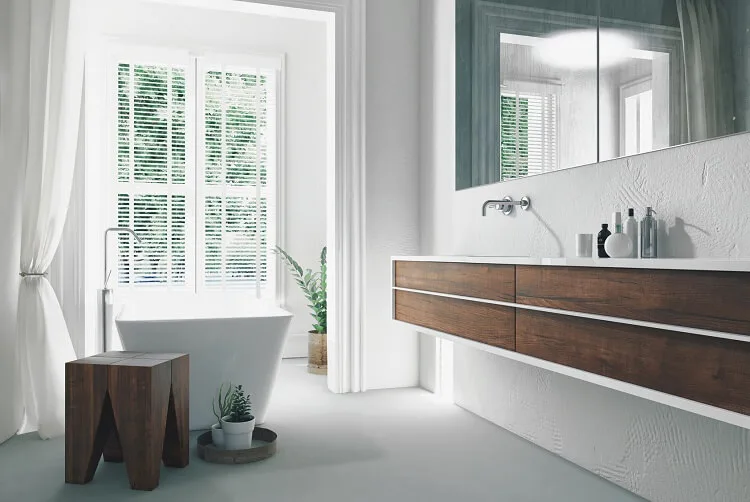
The least natural light enters the house through north-facing windows. The northern part of the house is therefore best reserved for rooms that do not need to be as exposed to the sun as the living room or dining room. This includes both the bathroom and utility rooms: laundry, drying room, boiler room, pantry, or garage.
Which windows for which direction?
Selection of window systems based on exposure:
- South side — large glazing (fixed + opening lights), solar control glass (low g‑value) and low‑e glazing to limit heating, external venetian blinds or external roller shutters; consider eaves or brise-soleil, especially on south and west elevations. Systems: T-Classic Slim (more light), Ecofutural (aluminium for large-format glazing).
- North side — smaller windows with the best thermal parameters. The T-Energy system (Uw 0.57) minimises heat loss on the side without solar gains.
- East side — moderate glazing, morning sun. T-Classic or T-Comfort — universal systems with good parameters.
- West side — caution with the size of glazing (intense afternoon sun). External venetian blinds or external roller shutters as protection against overheating. Systems: T-Classic or T-Comfort; Ecofutural (aluminium) for larger formats.